Before the flight
Begin rested; do not intentionally short yourself on sleep.
For a large time change, shift bedtime gradually when practical.
Pack the few tools that create darkness, quiet and neck support.
Sleep + recovery · Updated September 18, 2026
To sleep better and recover faster after a long-haul flight, begin rested, shift toward destination time during the flight, then use local daylight and protect the first night after arrival. The plan below turns those principles into a practical 24-hour reset.
The practical standard: Jet lag usually improves as your body adjusts to the new time zone. This guide is general travel information, not medical advice.
Before takeoff + onboard
Begin rested; do not intentionally short yourself on sleep.
For a large time change, shift bedtime gradually when practical.
Pack the few tools that create darkness, quiet and neck support.
Eat and sleep according to destination time.
Drink water and walk or stretch regularly.
Use caffeine deliberately—not close to planned sleep.

Best jet-lag planning app · Timeshifter
Enter the itinerary and Timeshifter builds an individualized schedule for when to seek or avoid light, sleep and use caffeine, with optional melatonin guidance. Its strongest advantage is that the plan begins before departure instead of waiting until jet lag has already disrupted the first days of the trip.
Cost: The first plan is free. Timeshifter currently lists additional plans at $9.99 each or $24.99 per year for unlimited plans.
Try the first plan freeDirect brand link. Onward Standard has not confirmed a Timeshifter affiliate partnership, so this link does not earn a commission.
Before + after the trip
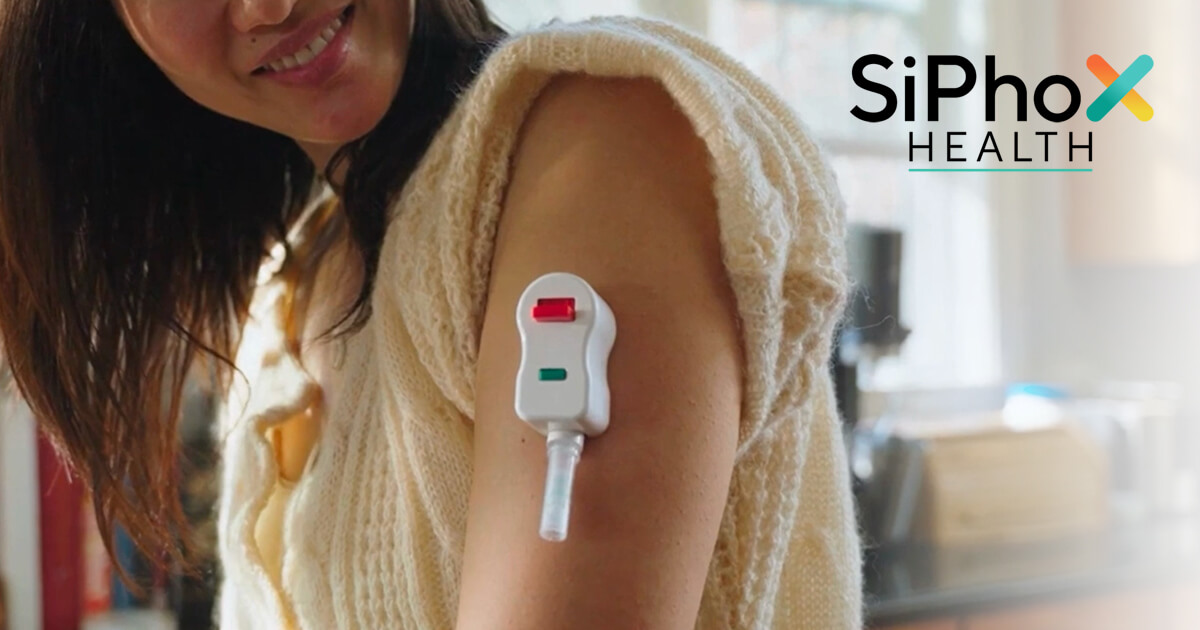
Best before-travel baseline · SiPhox Health
SiPhox offers at-home biomarker testing with upper-arm sample collection, lab processing and a personalized dashboard. The travel connection is preparation: it can help someone who already tracks health trends establish a baseline well before departure—not diagnose jet lag or explain how they feel after one flight.
Know before ordering: Results should be interpreted with an appropriate healthcare professional. This is not emergency care or a substitute for a pre-travel medical visit, vaccines or destination-specific advice.
Explore SiPhox HealthAffiliate link: we may earn a commission at no extra cost to you. Prices can change.
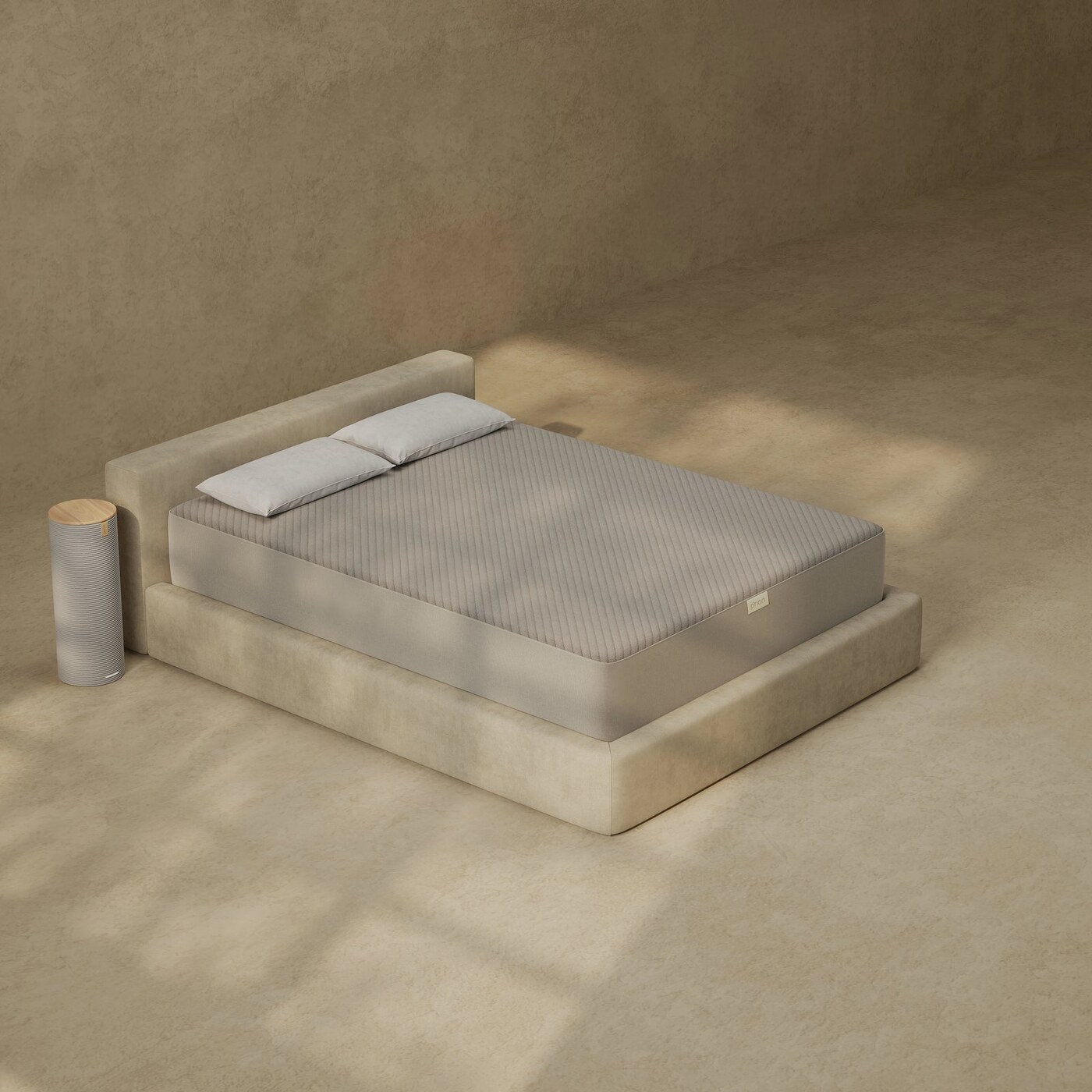
Orion Sleep
This temperature-controlled cover stays at home rather than in your suitcase. It fits over an existing mattress and gives each side independent cooling or heating, making it a practical way to protect your sleep environment after travel.
View the Orion Sleep System Read our Orion Sleep System reviewAffiliate link: we may earn a commission at no extra cost to you.
Independent, research-based recommendations—not claims of personal testing. Health testing and sleep products are not substitutes for individual medical care.
Packable recovery options
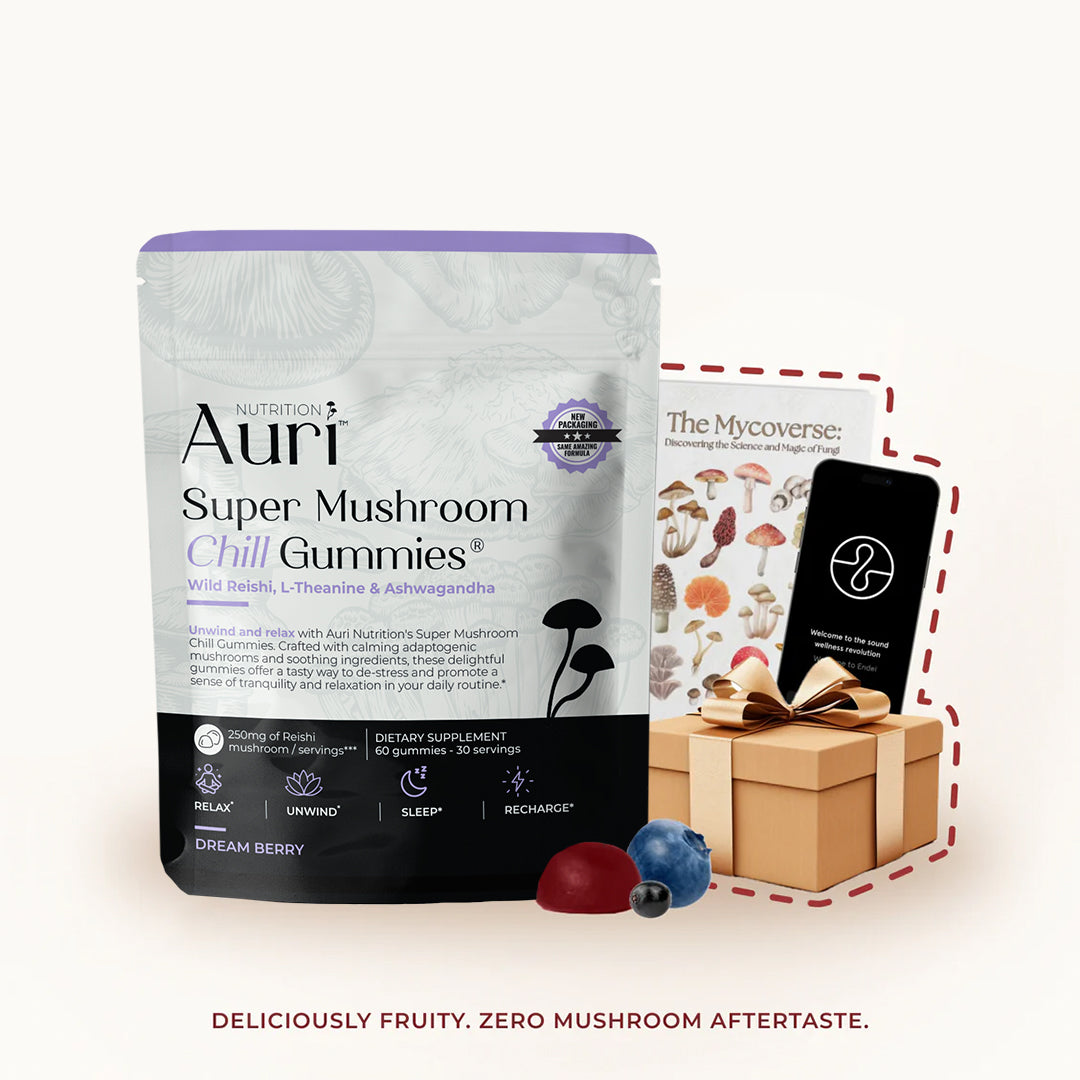
Best packable option · Auri Nutrition
Auri combines reishi, ashwagandha and L-theanine in a gummy it markets for calm, relaxation and healthy sleep-pattern support. The practical travel advantage is simple: gummies do not take up space in the quart-size liquids bag.
Know before packing: This is a supplement—not a treatment for jet lag, anxiety or insomnia. Review the ingredients and check with a healthcare professional when appropriate.
Check Auri Chill Gummies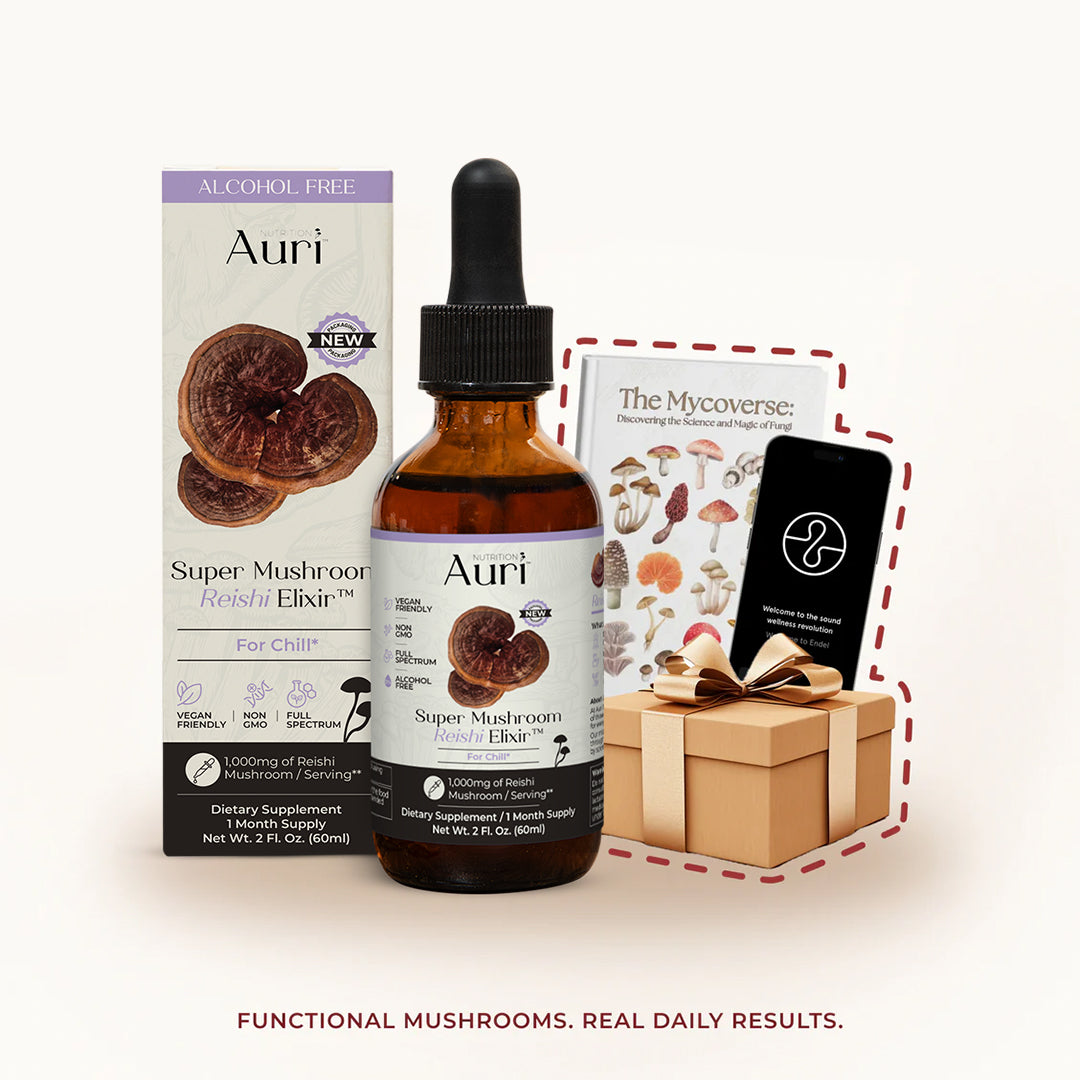
Best liquid wind-down option · Auri Nutrition
Auri markets this 60-milliliter, 30-serving reishi formula for deep-sleep and recovery support. The bottle is below the TSA 3.4-ounce container limit, but it still has to fit inside the traveler’s quart-size liquids bag.
Know before packing: Keep it sealed against leaks and do not treat a supplement as a substitute for light timing, hydration or medical advice.
Check Auri Reishi ElixirAffiliate links: Onward Standard may earn a commission at no extra cost to you. Product claims are attributed to Auri; these products are not intended to diagnose, treat, cure or prevent disease. Prices and offers can change.
The first day
Get outdoors during local daytime.
Take an easy walk rather than planning an intense workout.
Eat a normal local-time meal and keep hydrating.
Keep the room dark, quiet and comfortably cool.
Set a local-time alarm so the morning does not slide.
If sleep problems persist, ask a clinician for individual advice.
Save this
Switch your phone and watch to destination time when you board.
Sleep on the flight only when it is nighttime at your destination.
Use an eye mask and earplugs to make the cabin darker and quieter.
Drink water, move regularly and avoid overdoing alcohol or caffeine.
After arrival, get outside during local daytime and stay on local time.
Protect a dark, quiet and comfortably cool first night.
Source: NHS jet-lag guidance. Always follow your clinician’s advice for medications, sleep disorders or health risks.
Pack for the overnight
See the compact products that solve light, noise, neck support and cold-cabin problems.
Open the Rest & Recovery EditContinue planning